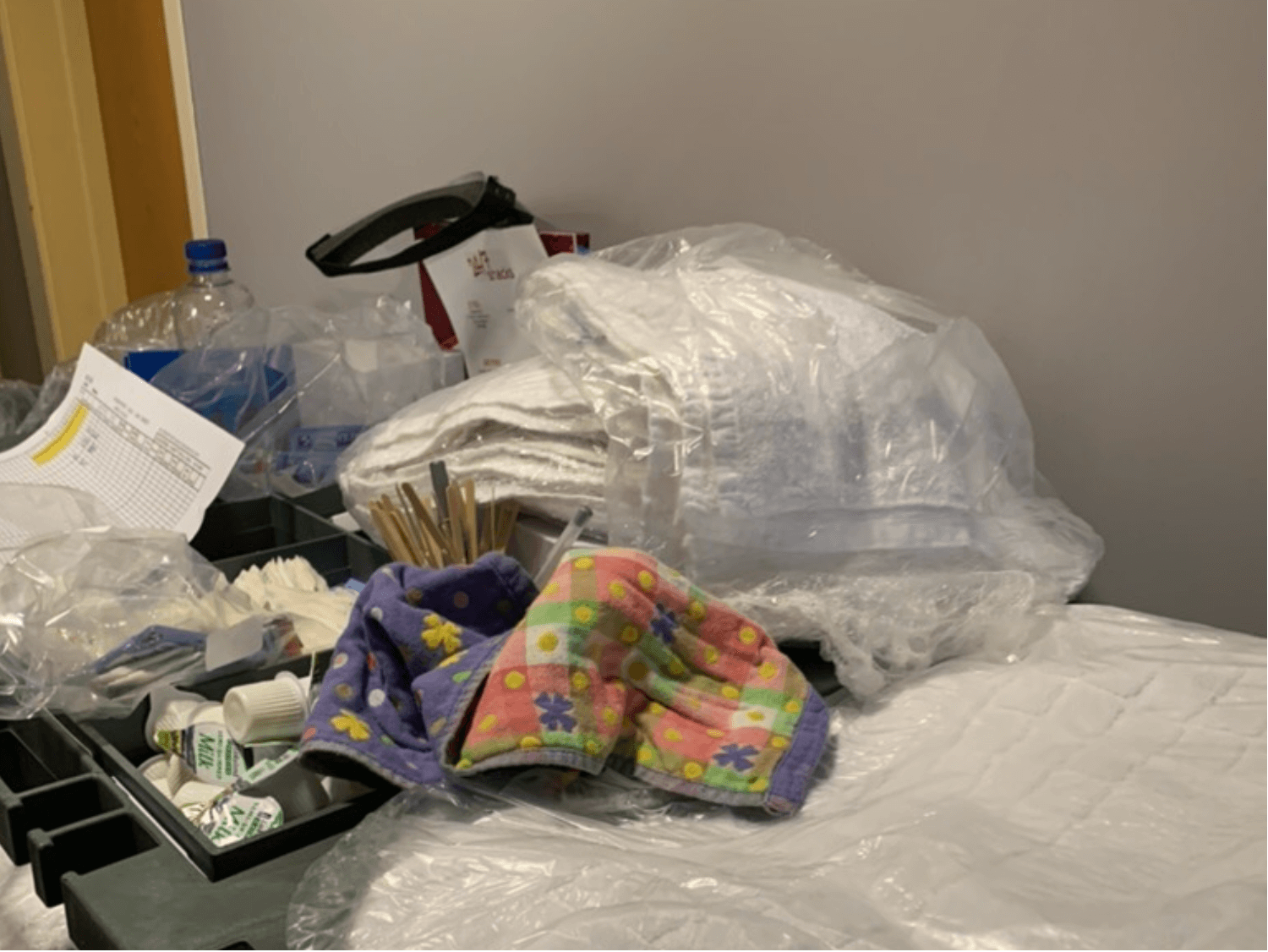
Attention to presentation matters, but compliance matters more. A colourful cloth may look harmless, yet cleaning materials, storage practices and colour-coding systems often form part of important hygiene and operational standards.
Housekeeping depends on discipline.
To the Guest, cleaning may look simple. A room is either clean or it is not. But behind that impression should be a controlled process: correct products, correct training, correct sequencing and correct cloth use.
Colour-coded cloths exist for a reason. They help separate tasks and reduce the risk of cross-contamination. A cloth used on a toilet should not then be used on taps, glasses, desks or bedside tables.
In one franchised limited-service hotel, third-party cleaners were observed using a single multi-coloured cloth across multiple bathroom surfaces. It looked cheerful enough. It was also a warning sign.
The issue was not the pattern on the cloth. The issue was the absence of control.
If cleaning is outsourced, the hotel still owns the Guest Xperience. It still owns hygiene confidence. It still owns the consequences if the process fails.
Guests cannot see every cleaning decision. They do, however, live with the result. A room can be visually tidy and still be poorly cleaned.
That is why housekeeping standards need supervision, not assumptions.
The cloth is only pretty if the process behind it is safe.
The GUESTX View
Contracting out cleaning does not contract out responsibility. A clean room starts with a controlled cleaning process.
← Back to blog